Turkish carpet weavers keep ancient patterns alive because these designs reflect their rich cultural identity, symbolize tribal pride, and carry spiritual meanings like protection or good luck. They use traditional techniques passed through generations, ensuring each knot and color tells a story. By preserving these patterns, weavers maintain a connection to their ancestors and customs. If you want to explore more about the timeless artistry behind these beautiful textiles, stay with us—you’ll find it fascinating.

Key Takeaways
- They preserve cultural identity and ancestral stories through traditional motifs and symbolic designs.
- Techniques like hand-knotting and natural dyeing ensure authenticity and durability of patterns.
- Regional diversity and unique motifs reflect local history, beliefs, and natural surroundings.
- Sacred symbols in patterns connect daily life with spiritual beliefs and divine protection.
- Modern technology and education initiatives support skill transmission and global appreciation of ancient patterns.
The Historical Significance of Pattern Preservation
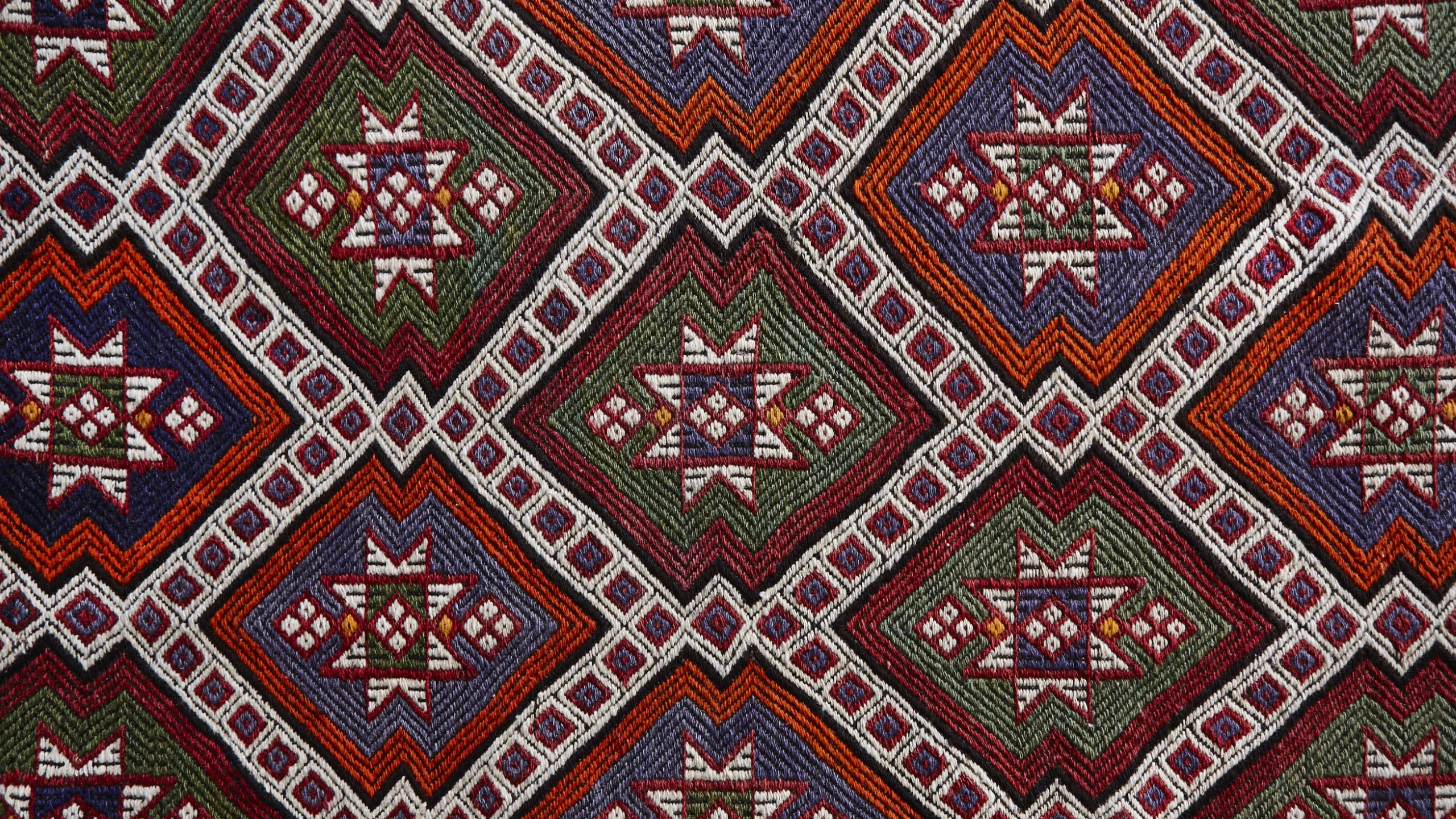
Many people mightn’t realize it, but when you look at a Turkish carpet, you’re gazing at more than just a beautiful piece of art—you’re holding onto a piece of history. These intricate designs carry stories passed down through generations, preserving cultural identity and identity’s roots.
Today’s modern design influences and technological breakthroughs are shaping how these patterns evolve, but the core remains unchanged. Weaving techniques incorporate new tools, making patterns more precise and durable, yet the spirit of tradition stays alive.
It’s like a dance between the old and the new—where classic symbols and motifs are reinterpreted with fresh energy. This balance guarantees that ancient patterns don’t fade away but instead adapt to contemporary tastes.
As a result, you get stunning carpets that honor history while embracing innovation, serving as a proof of the resilience and creative freedom of Turkish weavers.
Cultural Identity and Heritage in Weaving Traditions

When you look at Turkish carpets, you’re seeing more than just beautiful designs—you’re witnessing symbols of cultural identity passed down through generations.
These weaving traditions celebrate regional diversity, with each pattern telling a unique story of local history and beliefs.
Preserving Cultural Symbols
Preserving cultural symbols through traditional weaving isn’t just about keeping old patterns alive; it’s about safeguarding a nation’s identity woven into every thread. You get to be part of a living heritage that celebrates your roots while embracing modern design and technological advancement. Here’s how it works:
- Symbolic motifs: Each pattern tells a story, representing beliefs, history, and values.
- Authentic craftsmanship: Handwoven techniques connect you to centuries of tradition, resisting mass-produced sameness.
- Cultural pride: Weaving keeps a sense of community and identity strong, even in a changing world.
- Innovation meets tradition: Modern tools help preserve these symbols while allowing room for creative evolution.
Transmission Across Generations

Passing down weaving traditions from one generation to the next is like handing over a riches chest filled with cultural identity and stories. You become the keeper of powerful symbols, stories woven into every knot.
Today’s weavers blend ancient patterns with modern design, keeping traditions fresh and relevant. Technological innovation helps transmit skills more effectively—you might learn from digital tutorials or use smart tools that assist in perfecting intricate motifs.
This connection across generations isn’t just about preserving the past; it’s about shaping the future of Turkish weaving. Each new generation adds their touch, ensuring these patterns stay lively and meaningful.
You’re part of a living heritage, a story that continues to evolve while holding onto its roots, embracing both tradition and progress with open arms.
Celebrating Regional Diversity
Exploring Turkey’s diverse regions reveals a fabric of weaving traditions, each bursting with unique colors, patterns, and stories. You’ll notice that regional craftsmanship shapes pattern diversity, reflecting local scenery, history, and culture. Here’s what makes this celebration of regional diversity so powerful:
- Different areas develop their own signature motifs, like the bold geometric designs of Anatolia or the intricate floral patterns of the Aegean.
- Each region’s weaving techniques tell a story about their environment and way of life.
- The colors used often symbolize local beliefs or natural surroundings.
- These traditions empower you to connect with a deeper cultural identity, honoring the freedom to express heritage through every thread.
This pattern diversity keeps ancient artistry alive, lively, and meaningful today.
Symbolism Behind Traditional Motifs
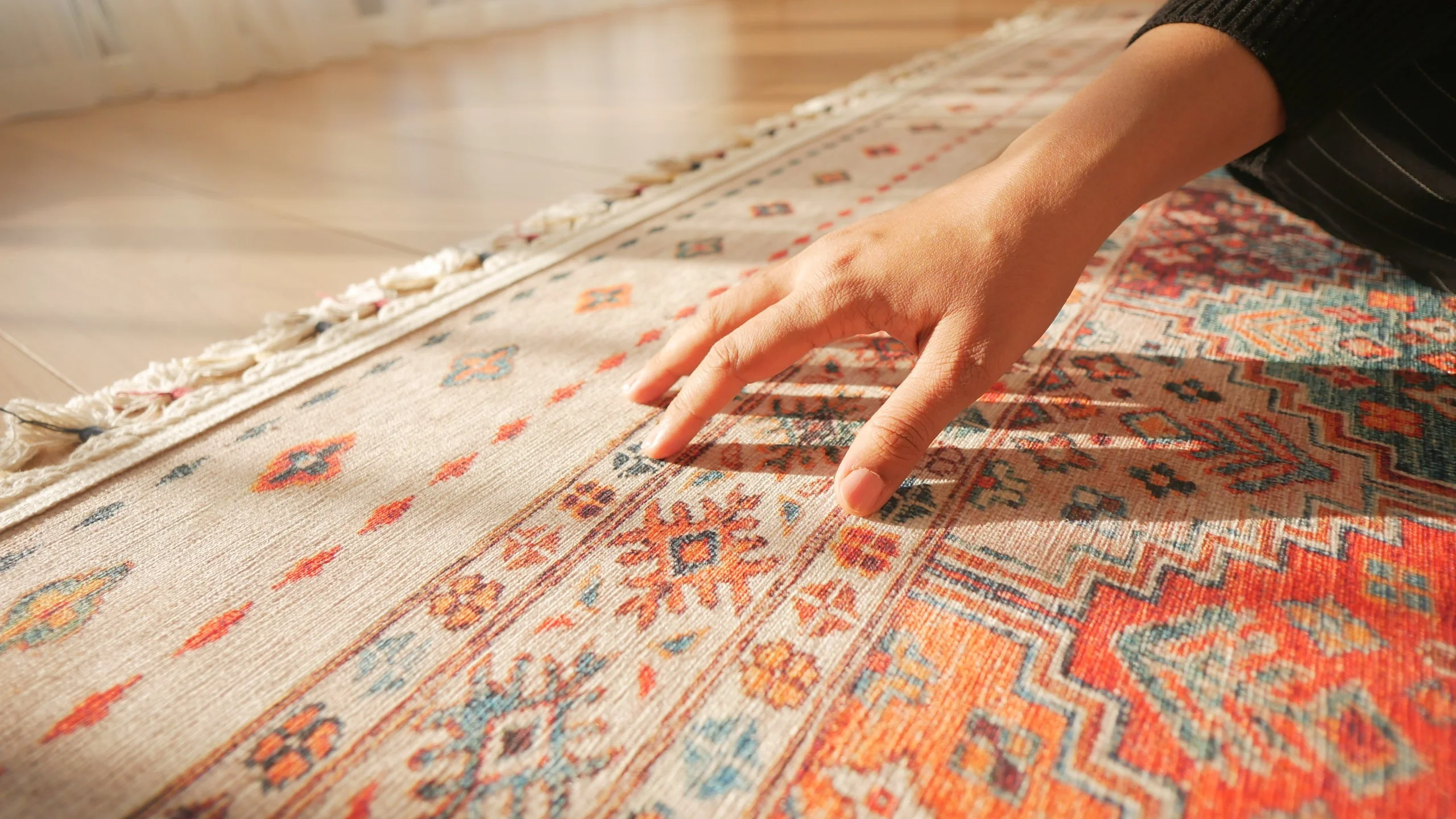
Have you ever wondered what those intricate patterns on Turkish carpets really mean? Each motif is like a story, packed with symbolism that connects you to centuries of tradition. For example, a star-shaped motif might symbolize guidance, while a hooked design represents protection.
Today’s weavers blend these ancient symbols with modern design synthesis, creating pieces that honor history while appealing to contemporary tastes. Technological breakthroughs, like digital pattern mapping and dyeing techniques, enable artisans to preserve authentic motifs more precisely than ever before.
This fusion allows the motifs to stay alive and relevant, making each carpet a powerful statement of cultural identity and personal expression. You get to experience the beauty of tradition, reinterpreted through inventive methods that keep the spirit of Turkish craftsmanship lively.
It’s a perfect harmony of past and present, reminding us that true artistry continually evolves without losing its roots.
Techniques Passed Down Through Generations
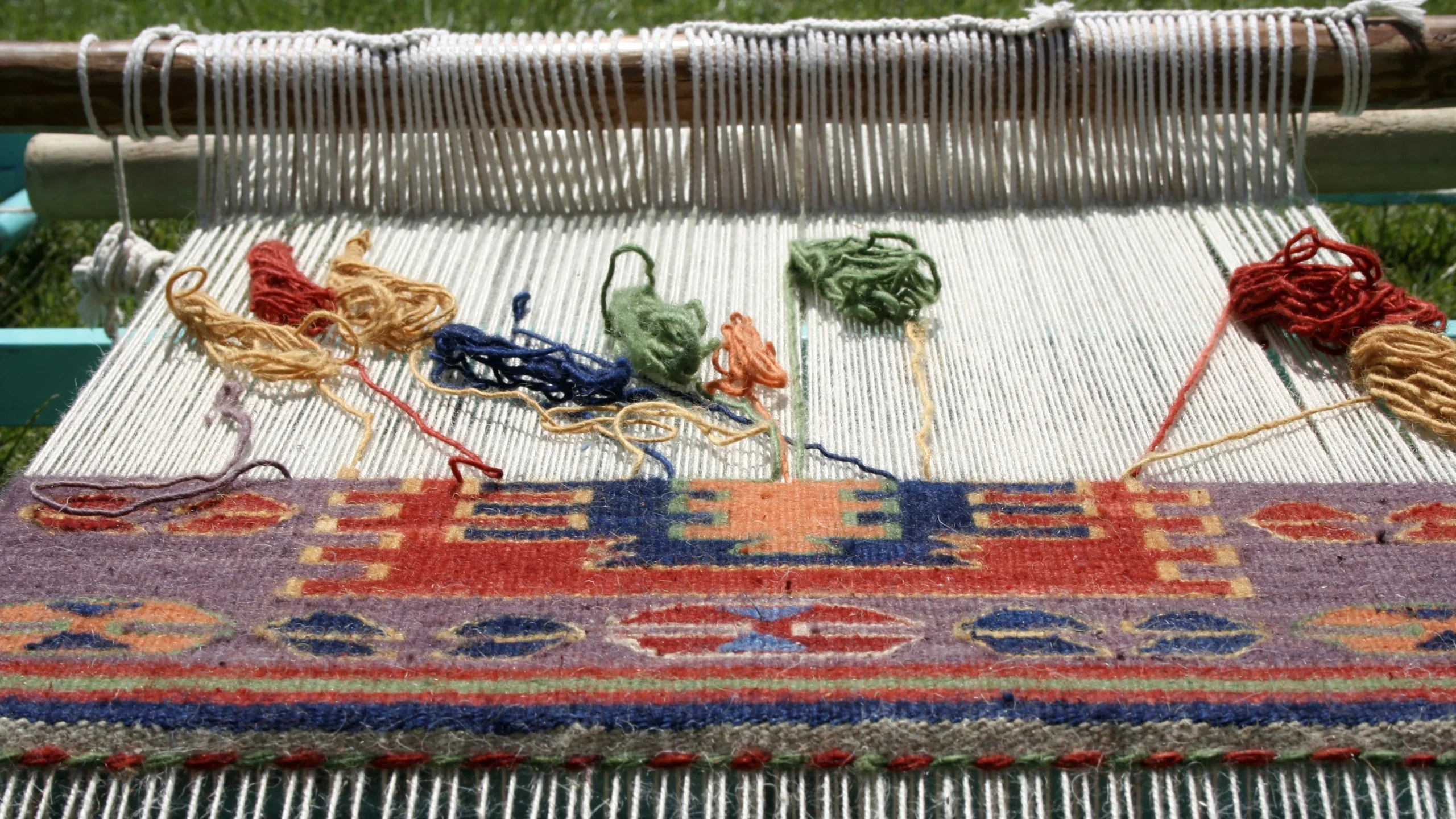
You might be surprised to learn that traditional hand-knotting techniques are passed down through generations, requiring incredible skill and patience.
Weaving each knot with precision, artisans create intricate patterns that tell stories as old as the craft itself.
Plus, their use of natural dyes from plants and minerals adds lively, lasting colors that truly bring each carpet to life.
Hand-knotting Mastery
Hand-knotting is truly an art form that has been perfected over generations, and it’s the skill that gives Turkish carpets their unmistakable beauty and durability.
As you learn this craft, you access a world where each knot tells a story, often reflecting color symbolism and geographic motifs. Your mastery allows you to create intricate patterns that honor tradition while expressing your unique perspective.
Here’s what you’ll focus on:
- Precise knotting techniques to guarantee longevity and detail.
- Color symbolism that conveys deeper meanings rooted in history and culture.
- Geographic motifs that connect your work to specific regions and their stories.
- Consistent tension to keep the pattern sharp and lively.
This mastery keeps ancient patterns alive and lively, giving you the power to carry tradition into the future.
Traditional Dyeing Methods
Traditional dyeing methods are the heartbeat behind Turkish carpets’ lively colors and rich patterns. You get to witness centuries-old techniques where natural dyes—like indigo, madder, and pomegranate—bring each hue to life. These dyes are extracted from plants, roots, and insects, giving the carpets their vibrant, authentic look.
Unlike modern chemical treatments, which can be harsh and fleeting, these natural dyes age gracefully, developing a unique patina over time. The process involves careful boiling, soaking, and layering, ensuring each color is just right.
This craftsmanship isn’t just about beauty; it’s about keeping traditions alive and respecting centuries of artistry. When you see a Turkish carpet, you’re experiencing a story woven with natural dyes passed down through generations—free, enduring, and full of soul.
The Role of Community and Tribal Connections

Community and tribal connections are the heartbeat of Turkish carpet weaving, shaping not just the designs but also the stories behind each rug. Your bonds with local communities keep ancient patterns alive, passing them down through generations. Even with modern technology and global influence, these connections give the craft a sense of purpose and identity. Here’s how:
- Traditions are preserved through storytelling, keeping the meaning behind patterns intact.
- Weavers share techniques within their tribes, maintaining authenticity despite outside influences.
- Tribal pride inspires unique motifs that symbolize history and values.
- Global exposure introduces new ideas, but community keeps the core traditions strong and true to their roots.
This sense of belonging empowers you to keep these ancient patterns alive, blending tradition with the modern world without losing your cultural soul. You’re part of a living, breathing heritage that refuses to fade away.
Economic Factors and Market Demand for Authentic Designs

Economic factors and market demand play a crucial role in shaping the future of Turkish carpet weaving, especially regarding authentic designs. When you value market authenticity, you support artisans committed to preserving tradition. Demand for genuine, handcrafted carpets fuels economic sustainability, guaranteeing weavers can thrive without sacrificing their cultural roots. Buyers today seek unique, meaningful pieces, not mass-produced imitations. This creates a lively market where ancient patterns remain relevant and valued.
| Factor | Impact |
|---|---|
| Market Authenticity | Keeps traditional designs in high demand |
| Consumer Preferences | Favor authentic, handcrafted carpets |
| Economic Sustainability | Supports weavers and local communities |
| Export Opportunities | Expand global appreciation for Turkish art |
| Cultural Preservation | Guarantees ancient patterns stay alive |
The Influence of Religion and Spiritual Beliefs
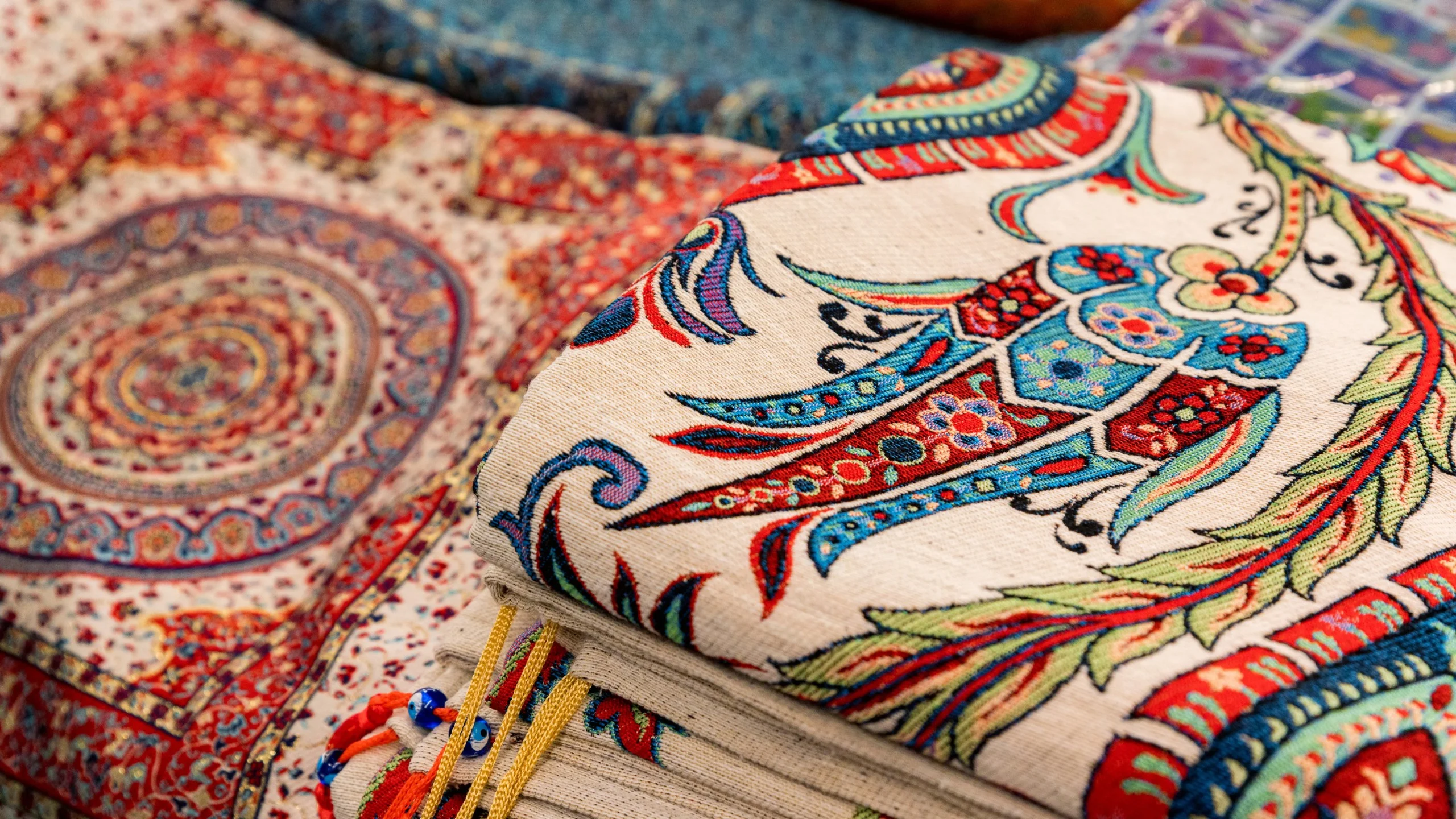
You might notice that many Turkish carpets feature sacred symbols and motifs that hold deep spiritual meaning, connecting everyday life to divine beliefs. These designs often serve as more than decoration—they’re believed to bring blessings, protection, or good fortune to their owners.
As you examine these intricate patterns, you’ll see how rituals and prayers are woven right into the fabric, keeping ancient spiritual traditions alive.
Sacred Symbolism in Designs

Many of the intricate patterns woven into Turkish carpets are more than just beautiful designs—they’re powerful symbols rooted in spiritual beliefs and religious traditions. These symbols carry deep meanings, connecting you to centuries of sacred stories and beliefs.
Today, modern design influences and technological advancements allow weavers to preserve these spiritual symbols while adding fresh twists.
- The Tree of Life, representing growth and eternal life, often appears in contemporary patterns, blending tradition with modern aesthetics.
- Eye motifs ward off evil, still woven into carpets as a protective charm.
- Star symbols symbolize divine guidance, connecting ancient mysticism with today’s spiritual pursuits.
- Geometric patterns echo sacred geometries, reminding you that spiritual symbolism remains alive in every thread.
Rituals and Blessings Embedding
When Turkish carpet weavers craft their intricate designs, they often embed rituals and blessings that reflect deep-rooted religious and spiritual beliefs. This isn’t just about creating beautiful patterns—it’s about infusing each piece with positive energy and protection.
Even in today’s world of modern design and technological innovation, these traditions remain essential. Weavers might incorporate symbols believed to bring good luck or ward off evil, blending ancient spirituality with contemporary aesthetics.
Some use special dyes or weaving techniques handed down through generations, honoring their heritage. These blessings aren’t just added for tradition’s sake—they serve as a reminder of the weaving’s sacred purpose.
Resisting Modernization: Staying True to Ancestral Artforms

Despite the rapid pace of modern life, many Turkish carpet weavers are fiercely committed to preserving their ancient patterns, seeing these designs as more than just decoration—they’re an indispensable part of their cultural identity.
Modernization challenges and technological influences threaten these traditions, but weavers resist by staying true to their roots.
Modernization and technology threaten traditions, but weavers remain committed to preserving their cultural roots.
Here’s how they do it:
- *Maintaining Authentic Techniques*: They stick to traditional hand-knotting methods, refusing to replace them with machines.
- *Using Natural Dyes*: Instead of synthetic colors, they rely on centuries-old natural dyes that give their carpets unique vibrancy.
- *Passing Down Knowledge*: Experienced artisans teach younger generations, ensuring the patterns survive beyond modern trends.
- *Celebrating Cultural Significance*: They weave symbols and motifs that carry deep meaning, making each piece a statement of identity and resistance.
Their passion keeps ancient artforms alive, reminding us that true beauty lies in heritage and authenticity.
Educational Efforts and Artisan Training Programs

Educational efforts and artisan training programs play an indispensable role in keeping Turkey’s ancient carpet patterns alive. You’re empowered when these initiatives teach younger generations the skills and stories behind each design, ensuring tradition isn’t lost to time.
Workshops now incorporate digital marketing strategies, helping artisans reach a global audience and showcase their unique work beyond local markets. These programs also navigate export regulations, making it easier for weavers to sell their carpets internationally without unnecessary hurdles.
By combining traditional craftsmanship with modern marketing tools, artisans gain more control over their work and its reach. You’ll see how this blend of heritage and advancement fuels pride and preserves the cultural identity embedded in every knot.
Educational programs not only pass down skills but also inspire a new wave of weavers enthusiastic to keep these timeless patterns alive. It’s a powerful movement that champions both tradition and progress, giving you hope for the future of Turkish carpet art.
The Impact of Tourism on Preserving Patterns
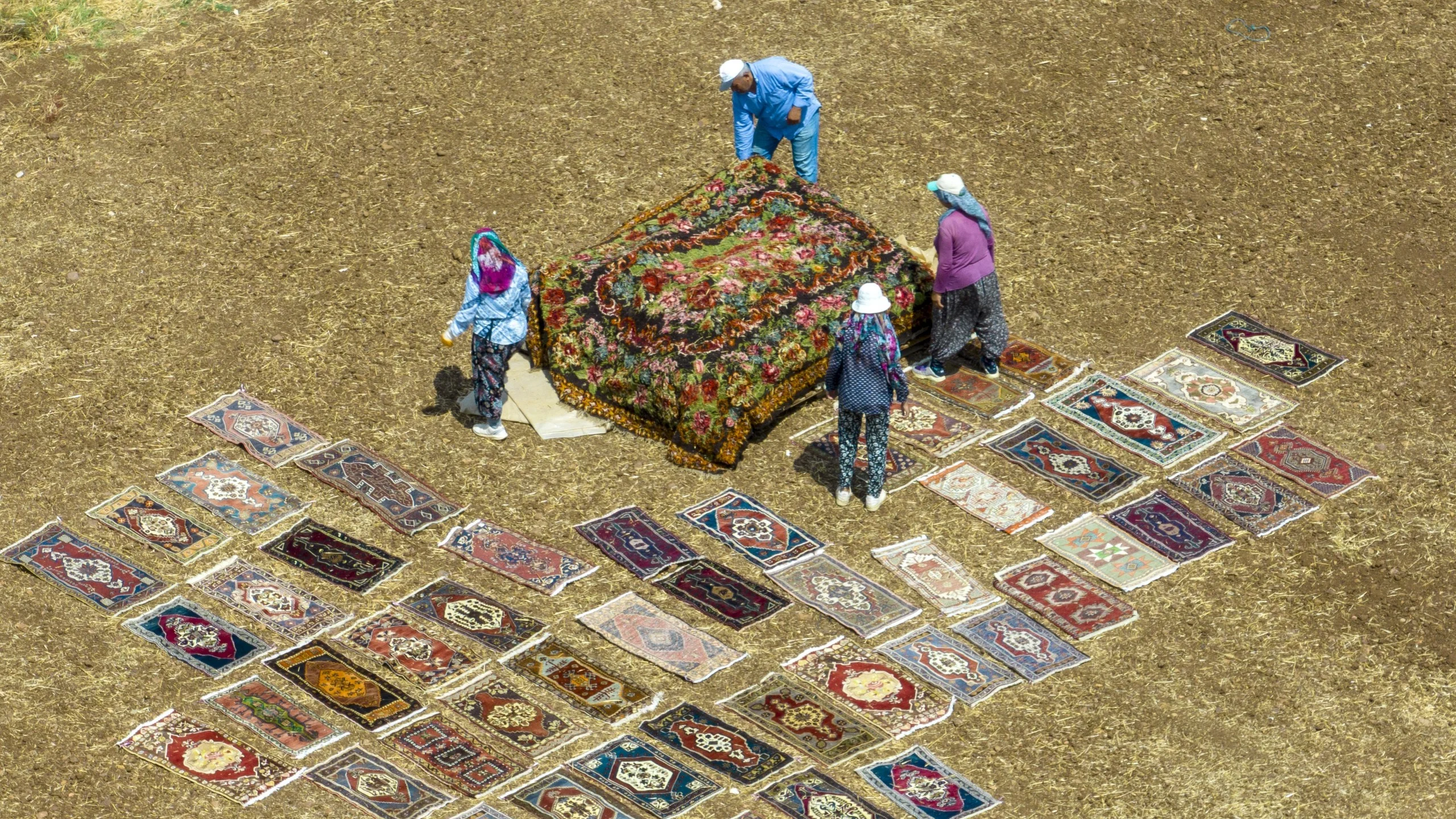
Tourism has become a powerful force in preserving Turkey’s rich carpet patterns because visitors from around the world seek out these authentic works of art. Their interest drives local communities to value and maintain traditional designs, ensuring they’re passed down through generations.
This influx of tourism also influences urban development, encouraging cities to protect historic districts and weaving districts alike. Thanks to technological ingenuity, artisans now share their craft globally through online platforms, inspiring others and gaining new markets.
Here’s how tourism keeps patterns alive:
- It enhances local pride and motivates artisans to preserve traditional techniques.
- It funds restoration projects that protect historic weaving sites.
- It encourages urban development that respects and incorporates traditional craftsmanship.
- It spreads awareness, inspiring new generations to learn and create without losing their roots.
With tourism’s support, you can experience Turkey’s lively textile heritage firsthand, feeling free to connect with ancient patterns that tell stories across time.
Challenges Faced by Contemporary Weavers
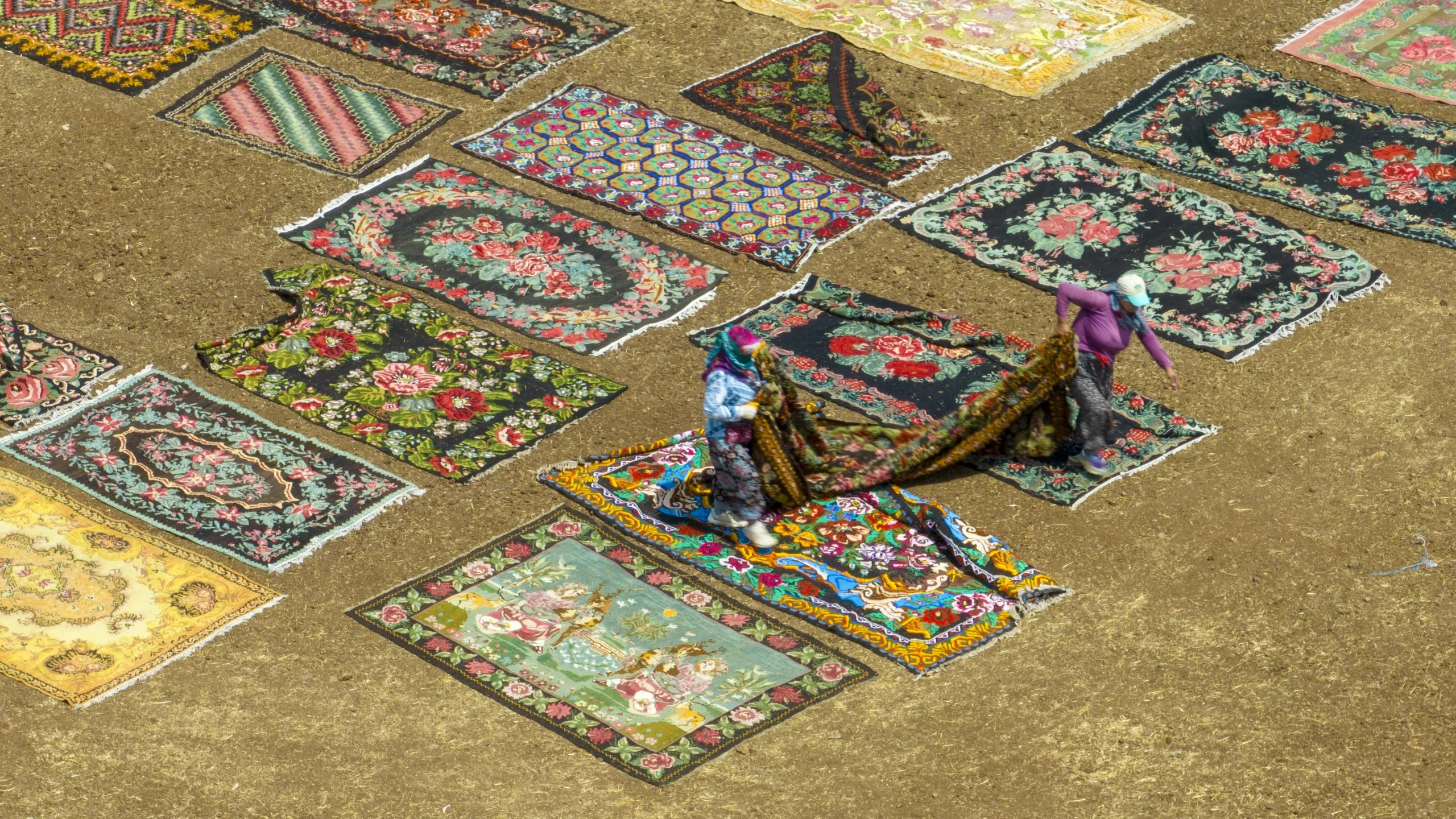
While tourism helps keep Turkey’s traditional carpet patterns alive, contemporary weavers face a different set of hurdles that threaten their craft. Modernization challenges, like new technology and changing tastes, can push ancient techniques aside.
Younger generations might prefer easier, faster ways to make a living, leaving behind centuries-old methods. Economic pressures also play a big role—you need steady income to survive, and handwoven carpets often struggle against cheaper, machine-made alternatives.
Weavers find themselves caught between preserving tradition and facing the realities of today’s economic cycle. Some may feel discouraged, worried that their craft isn’t valued enough or that it won’t provide enough income.
Despite these obstacles, many passionate artisans continue to weave, driven by love for their heritage. They fight to keep these beautiful, meaningful patterns alive, refusing to let modernization erase their cultural identity.
Their resilience reminds us that tradition is worth fighting for.
The Future of Ancient Pattern Preservation in a Globalized World

As the world becomes more connected, preserving Turkey’s ancient carpet patterns faces both thrilling opportunities and serious challenges. Modern technology offers incredible tools like digital archives, virtual reality, and online tutorials, making it easier than ever to share and learn these designs globally.
With global collaboration, artisans can connect with experts and enthusiasts worldwide, fueling creativity and keeping traditions alive.
Here’s what you can do to support this future:
- Use digital platforms to document and share traditional patterns, ensuring they’re protected and accessible.
- Engage in cross-cultural projects that blend old techniques with new ideas, inspiring fresh creativity.
- Support artisans who adopt technology, helping them reach international markets.
- Stay curious and spread awareness about the significance of these patterns, keeping their story alive for generations to come.
Together, we can harness technology and collaboration to keep these ancient symbols of freedom lively and enduring.
Wrapping Up
By embracing their rich weaving traditions, Turkish artisans gently keep ancient patterns alive, weaving history into every thread. Through community support, education, and a touch of tourism’s sparkle, these patterns continue to tell stories of identity and artistry. While modern challenges may try to blur these traditions, passionate weavers guarantee the legacy endures, like a lively tapestry passed from generation to generation. It’s a beautiful dance of tradition meeting today’s world, keeping ancient patterns softly glowing in our collective memory.